
Warehouse Solar Opportunities: Property Intelligence for Large Installations
Meta Description: Commercial solar reps are finding 3x more qualified warehouse leads in half the time. Here's the property intelligence strategy they're using.
TL;DR
Commercial solar reps waste 60-70% of prospecting time on unqualified buildings—wrong size, wrong ownership structure, or unsuitable physical characteristics
Warehouses and cold storage facilities offer the highest ROI for solar (4-7 year payback, 15-25% IRR), but finding the right ones requires property-level intelligence
Traditional prospecting methods—buying shared leads, manually searching Google Maps, or driving around—are expensive and inefficient
Property intelligence platforms surface building square footage, aerial imagery, tenant data, and ownership details to pre-qualify warehouse solar opportunities before outreach
Solar reps using property data build pipelines 3-5x faster by targeting buildings that actually fit their ideal customer profile
Solar Prospecting the Old Way
The average commercial solar sales rep burns hours chasing warehouse solar leads that go nowhere.
The 200,000 square foot cold storage facility? Turns out the tenant has two years left on their lease and zero authority to approve capital improvements. The distribution center with the massive flat roof? The decision-maker is in another state behind a wall of gatekeepers. The industrial park you spent three weeks pursuing? The owner-operator already installed solar three months ago - you just couldn’t see the install on Google Maps/Earth’s aerial imagery.
Every dead-end conversation costs you time you'll never get back. And this year, withcommercial solar customer acquisition costs ranging from $1,500 to $ 4,500 and complex commercial decision cycles, you can't afford to prospect blindly.
The solar reps winning right now aren't working harder - they're working with better intelligence.
They're identifying solar-ready warehouse opportunities before their competitors even know those properties exist. And they're doing it by replacing guesswork with property data.
The Warehouse Solar Opportunity Is Real (But Hidden)
Warehouses are among the most profitable segments in commercial solar.
Why? Because the math works: flat roofs spanning 100,000+ square feet, high daytime energy consumption, and facilities that often run 24/7. Add in favorable economics - 30% federal Investment Tax Credit through 2032, 80% first-year MACRS depreciation in 2025, and payback periods of 4-7 years - and you've got a compelling pitch.
Cold storage facilities are even better. With refrigeration consuming over 70% of total electricity, these buildings use 60 kWh per square foot annually - four to five times more than conventional warehouses. Energy costs can hit 15-18% of operating expenses, which means solar installations generate immediate, measurable ROI.
But here's the problem: finding these opportunities is manual and time-intensive.
How Solar Reps Find Warehouse Prospects Today
Let's be honest about how most commercial solar prospecting actually works.
Buying shared leads. You're paying $25 to $300+ per lead from third-party generators, and half the time you're competing with three other solar companies for the same conversation.
At that price, the leads are rarely exclusive, the quality is inconsistent, and you have no control over whether these businesses even own their buildings.
Manually searching Google Maps. Some reps spend hours scrolling through satellite imagery, screenshotting promising properties, writing down addresses, and then cold-calling.
Google's Solar API has expanded coverage to over 472 million buildings, but it's designed for residential rooftop analysis - not commercial prospecting with ownership and tenant intelligence.
The manual approach doesn't scale, and you still don't know anything about ownership structure, roof condition, or tenant makeup until you're already deep into a conversation.
Driving around industrial parks. This one's self-explanatory. You burn gas, burn time, and you're limited to whatever's within a 20 to 30-mile radius.
There's no way to pre-qualify. You're hoping the building you spotted from the highway is a fit.
Buying generic business lists. Data brokers will sell you a list of "warehousing companies" or "cold storage operators," but those lists tell you nothing about the property itself.
You don't know if they lease or own. You don't know the roof size. You don't even know if the building has usable space for panels.
The result? You spend significant prospecting time either researching contact information or talking to businesses that were never viable in the first place.
What Makes a Warehouse Solar-Ready? (And How to Identify It Before You Call)
Here's what actually determines whether a warehouse is a good solar prospect:
Physical characteristics:
Large, flat roofs (minimum 10,000+ sq ft of usable space)
Minimal shading from adjacent structures or trees
Structural integrity to support panel weight (ballasted mounting systems typically add 3-5 lbs/sq ft)
Available land for ground-mount or parking lot space for solar carports
Operational signals:
High daytime energy consumption (especially cold storage, manufacturing, 24/7 operations)
Owner-occupied facilities (simpler decision-making) or long-term tenants with an incentive to reduce costs
Facilities in states with strong solar economics (CA, TX, NJ, MA, NY, etc.)
Buildings subject to emissions regulations like California's WAIRE program (warehouses 100,000+ sq ft)
Ownership and tenant dynamics:
Clear decision-maker access (CFO, CEO, facilities director—not just a facilities manager)
Properties where the company paying utility bills has the authority to approve solar installations - owner-operators and longer leases with potential tenant improvements.
Buildings nearing roof replacement cycles (bundle solar with re-roofing)
Traditional prospecting methods don't give you any of this upfront. You find out after you've already invested hours in research, outreach, and discovery calls.
The Property Intelligence Advantage
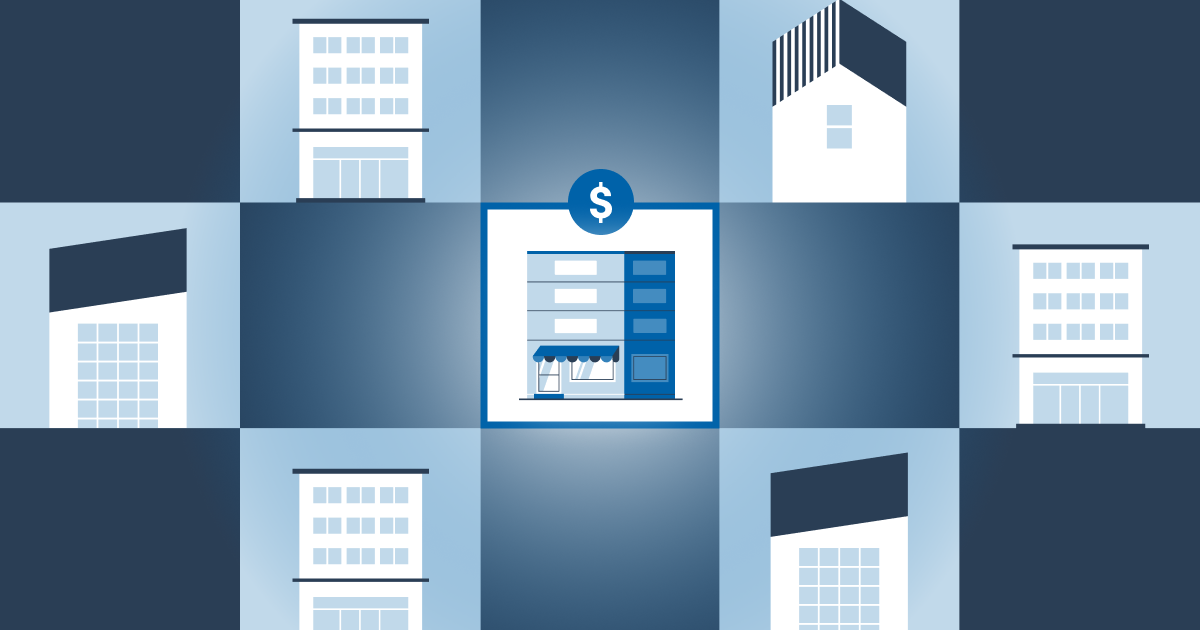
Property intelligence flips the workflow. Instead of guessing, you start with data.
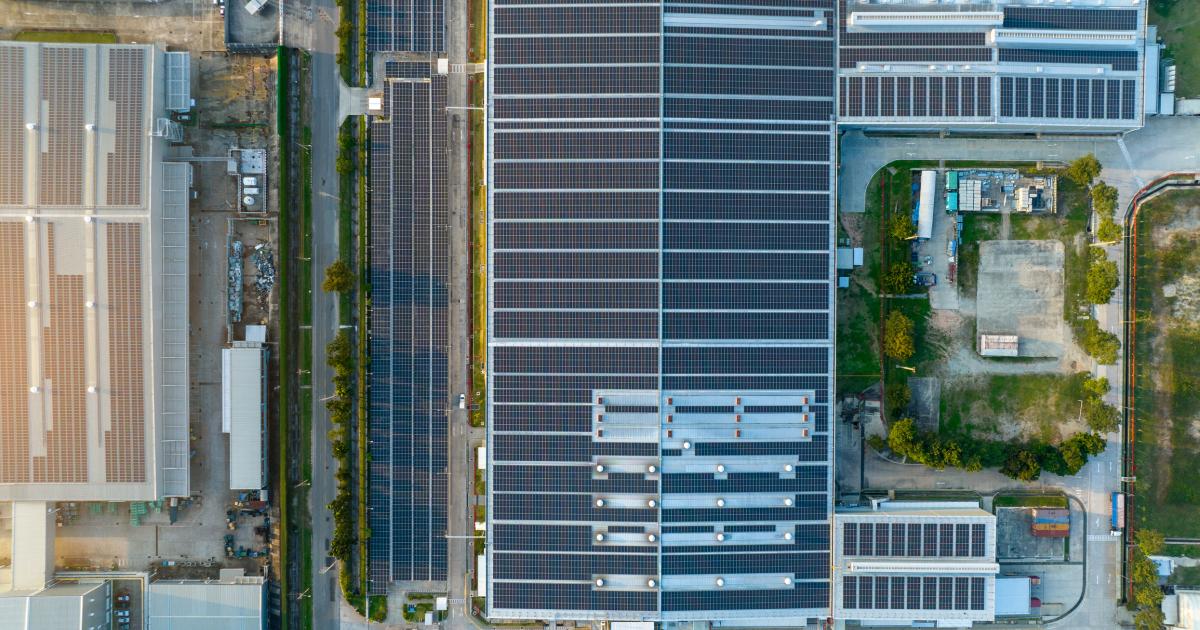
You filter for warehouses above a certain square footage in your target geography. You see aerial imagery of the roof before you ever visit the site - is it flat? Are there obstructions? Is there adjacent land for ground-mounted panels?
You know the building's age, its approximate roof area, and who occupies it.
You're not cold-calling blind. You're reaching out to properties that already match your ideal customer profile, with enough information to open the conversation intelligently:
"I noticed your 150,000 square foot cold storage facility in Fresno has approximately 100,000 square feet of usable roof space - have you evaluated how solar could offset your refrigeration costs?"
That's a different conversation than: "Hi, we install solar panels. Are you interested?"
Platforms like Convex surface this intelligence at scale. You get building square footage (which directly correlates with roof area), aerial views of the property, tenant makeup, and ownership context, and direct decision-maker access (verified emails, phone numbers, and LinkedIn profiles).
You can see what the building looks like without setting foot on the site. You know if it's a candidate before you dial.
This isn't about replacing your sales process. It's about feeding your pipeline with opportunities that are actually worth pursuing.
What This Looks Like in Practice
A solar rep targeting cold storage facilities in California sets filters: 100,000+ square feet, industrial/warehouse classification, owner-occupied or long-term tenants.
The platform returns 200 properties. The rep pulls up aerial imagery for the top 50, eliminating buildings with too much rooftop equipment or heavy tree coverage.
In 30 minutes, they've built a list of 35 high-potential targets with building size, location, and visual confirmation of solar viability.
Now the outreach is precise. The rep knows the approximate roof area, can reference the facility's size and location, and can tailor the pitch based on whether it's cold storage (high energy costs), general warehousing (predictable daytime usage), manufacturing, or another use case.
Instead of 200 cold calls with minimal success, they're making 35 informed calls with significantly higher connection rates to decision-makers because you have context to start warm conversations.
The difference compounds. One qualified conversation per day becomes three. Your pipeline fills with opportunities that actually close, not cold prospects who were never in-market or going to buy in the first place.
The Shift From Volume to Precision
The old solar playbook was volume: make 100 calls, book two to three meetings, and close one deal. That still works if you have unlimited time, budget, and no quota hanging over your head. Most reps don't have that.
They need results fast.
The new playbook is precision: use property intelligence to identify 20 solar-ready warehouses, make 20 informed calls, book more qualified meetings, and close more deals.
You're spending less time prospecting and more time selling to people who can actually say yes.
Warehouses and industrial properties are particularly well-suited to this approach because the physical attributes are consistent and easy to see. A 150,000 square foot warehouse with a flat roof in a high-solar state is a qualified opportunity, whether you found it through a referral or through property data.
The only question is how fast you can identify it and get in front of the decision-maker.
That's where property intelligence creates an advantage. You're not smarter than your competition - you just have better information, faster.
Where to Start
If you're serious about building a warehouse solar pipeline, start by defining your ideal property profile:
Minimum building size (100,000+ sq ft for serious ROI)
Preferred property types (cold storage, manufacturing, distribution centers)
Target geographies (focus on states with strong incentives or high electricity rates)
Ownership structure (owner-occupied is easiest, but long-term tenants work too)
Then find a way to surface properties that match those criteria at scale. Whether that's Convex or another property intelligence platform, the goal is the same: replace manual research with data, so you can spend your time selling instead of searching.
Warehouses are one of the best opportunities in commercial solar. But only if you can find them before your competitors do.
Ready to build a pipeline of solar-ready warehouse opportunities?
Convex delivers property intelligence—building data, aerial imagery, and tenant details—so you can identify qualified prospects before your competition. Schedule a demo to see how property data accelerates commercial solar prospecting.
FAQ
What size warehouse is ideal for solar installation?
Buildings with 100,000+ square feet offer the best ROI for commercial solar. At that scale, you have enough roof area (or adjacent land) to support installations in the 500kW to multi-megawatt range, which drives down per-watt costs and accelerates payback. Cold storage facilities of any size above 50,000 sq ft can also be attractive due to their extremely high energy consumption.
Can solar be installed on warehouses without flat roofs?
Yes. While flat roofs are ideal for commercial solar (80% of commercial roof area in the U.S.), warehouses with available land can use ground-mount systems, and facilities with large parking lots can install solar carports. The key is having available space—whether vertical or horizontal - that's unobstructed and receives consistent sunlight.
How do I know if a warehouse is owner-occupied or leased?
Property intelligence platforms typically provide ownership and tenant data. You can also check county property records, but that's time-consuming at scale. The fastest approach is using a data platform that surfaces occupancy details upfront, so you know whether to approach the landlord or the tenant before you make contact.
What's the typical payback period for warehouse solar installations?
In 2025, commercial warehouse solar installations are achieving payback periods of 4-7 years and internal rates of return of 15-25%. Cold storage facilities often see faster payback (5-7 years) due to their high energy intensity. These numbers assume access to the 30% federal ITC and 80% first-year MACRS depreciation.
Do I need to physically visit every warehouse before proposing solar?
Not anymore. Property intelligence tools, combined with satellite-based solar analysis tools and aerial imagery, allow you to remotely pre-qualify sites. You'll still need a site visit before final design and installation, but you can eliminate a significant percentage of unqualified properties before ever leaving the office.
What are the biggest red flags when prospecting warehouse solar opportunities?
Key disqualifiers include: buildings with less than five years of remaining useful life, properties scheduled for demolition or major renovation, tenants with short-term leases (under 5 years), and facilities where the decision-maker has no authority over capital expenditures. Property intelligence helps you spot these issues early by providing building age, ownership context, and tenant information before outreach.
Share