

Standfirst
Most cross-selling playbooks were built for e-commerce companies with cart data and SaaS platforms with usage dashboards.
But in commercial services (HVAC, solar, roofing, janitorial, landscaping, elevators, BAS, fire, and life safety), your best opportunities do not live in purchase history. They live in the buildings themselves, in how those buildings age, change hands, and expand over time.
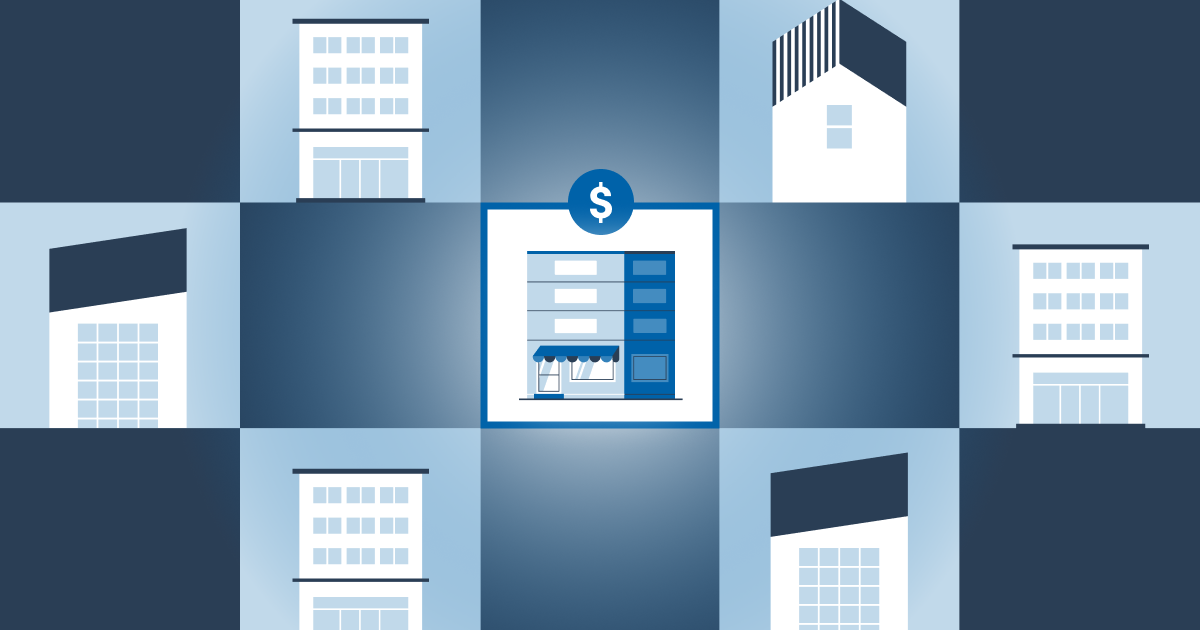
This is the framework that treats properties as customers and turns "hidden" portfolio revenue into a repeatable process.
TL;DR: What You Need to Know
Cross-selling in commercial services is intent or signal-triggered, not behavior-triggered. Your CRM shows contacts. Property intelligence shows the eight buildings in the portfolio you are not servicing yet.
One customer often controls 5-10 properties. If you only see the primary address in your CRM, you are leaving 60–80% of potential revenue and most of your warmest deals off the table.
The highest-yield cross-sell triggers live at the building level: equipment age, permit activity, ownership changes, multi-site portfolios, seasonal and compliance deadlines, building type patterns, and decision-maker turnover.
Timing beats tactics. The win comes from reaching out when building-level changes create natural buying windows, not when your sales manager announces "go cross-sell" at the end of the quarter.
Property-first cross-selling converts 3–5x better than generic 'account expansion'. You are not pitching extra services; you are solving real problems in real buildings across a portfolio, with data to back up why now.
The CRM Problem Every Commercial Services Team Hits
You've been servicing the same customer for three years. Your work is solid. They're happy. Then one day, you drive past a building two blocks away and see their logo on the door.
You didn't know they owned it. Your CRM didn't tell you. And now they're getting quotes from three of your competitors for the exact services you provide.
This isn't a relationship problem. It's a data problem.
Your CRM was built for contacts, not properties. It shows you one account with one address. It doesn't show you the portfolio. It doesn't flag permit activity. It doesn't show ownership changes or multi-site expansion patterns.
So you're reactive. You wait for customers to ask. You respond to RFPs. You compete on price because you showed up too late to position value.
Meanwhile, your best opportunities—the buildings you're already trusted to work on, the decision-makers who already know your name—sit invisible in your pipeline.
Here's what changes when you shift from account-based thinking to property-based thinking: Instead of one customer, you see eight buildings.
Instead of waiting for the phone to ring, you spot the 18-year-old HVAC system that's overdue for replacement. Instead of reacting to RFPs, you're having conversations three months before competitors even know there's a project.
That's property-first cross-selling.
And it's how commercial services teams are finally breaking through the revenue plateau that "deliver great work and ask for referrals" created.
What Is Cross-Selling in Commercial Services? (And Why CRM Tactics Fail)
Cross-selling means offering additional services that complement what you're already doing for a customer. In e-commerce, that's "customers who bought this also bought that." In SaaS, it's "upgrade to premium features." In commercial services, it's fundamentally different.
Your cross-sell opportunities aren't driven by browsing behavior or feature adoption. They're driven by buildings.
The e-commerce playbook doesn't translate to commercial services. Amazon recommends products based on cart data.
You can't recommend solar panels based on "HVAC purchase history." The decision to add services isn't behavioral—it's situational. Equipment ages out. Permits get pulled. Ownership changes. Buildings expand. That's when buyers enter the market.
Next, your customer isn't a “person” (per se) - it's a building or a portfolio.
One facilities manager controls six buildings. One property management company owns 13 locations.
Your CRM sees "John Smith, Facilities Director." Property intelligence shows six addresses, 12 systems, 4 buildings with permits filed in the last 90 days, and two sites with equipment approaching replacement age.
Why "analyze purchase history" breaks down in the commercial services space.
B2B cross-selling guides tell you to study past purchases and recommend complementary products. But in commercial services, the customer who bought HVAC maintenance two years ago might not need more HVAC services.
They might need solar because their roof was just replaced. Or janitorial, because they acquired three new buildings. Purchase history tells you what happened. Property intelligence tells you what's about to happen.
The shift is simple: Stop looking at what customers bought. Start looking at what their buildings need.
Why Property Intelligence Beats Purchase Behavior
Let's talk about Sarah, a facilities manager at a mid-size manufacturing chain. She oversees eight locations. You're currently doing HVAC maintenance at two of them.
Your CRM knows Sarah exists. It has her phone number and email. It shows two active service contracts. That's it.
Here's what property intelligence reveals:
Location 3 just pulled an electrical permit for a major upgrade - perfect timing to discuss solar.
Location 5 has a 22-year-old flat roof that's overdue for replacement - solar + roofing bundled conversion.
Location 6 is a new acquisition from six months ago; they're still using the previous owner's vendors - open door to introduce your services.
Location 7 has aging elevators and shows buying signals; the facilities manager has been searching for "commercial elevator contractors" (tracked via intent data). This is a perfect opportunity to introduce them to your friend in the space - now you become a trusted advisor with a network.
Location 8 just hired a new building engineer - relationship reset, chance to re-engage.
That's five immediate cross-sell opportunities. Your CRM showed you zero.
One facilities manager = 8 buildings you're not servicing. This is the math commercial services teams miss. You're not dealing with individual consumers making one-off purchases. You're dealing with decision-makers who control portfolios. Every relationship is 5-20 potential projects.
The data your CRM doesn't capture. Traditional CRMs track contacts, deals, and activities. They don't track building age, system lifecycles, permit history, or portfolio expansion. That data lives in county records, permit databases, property assessments, and ownership filings. Unless you're manually researching every account—which nobody has time for—you're flying blind.
Equipment triggers > browsing behavior. An 18-year-old HVAC system doesn't “browse your website.” But it's a better signal than any click-through rate.
When a facilities manager searches for "commercial HVAC replacement in Phoenix," that's buying intent you can act on - tracked through regularly updated signals that show exactly what decision-makers are looking for.
Property-level triggers predict intent better than any marketing automation platform.
This is why commercial services teams need different tools than SaaS companies. You're not tracking logins and feature adoption. You're tracking permits, equipment age, and ownership changes.
Get that data right, and cross-selling stops being guesswork.
The 7 Property-Level Triggers That Signal Cross-Sell Readiness
Not all cross-sell opportunities are equal. Some buildings are ready now. Others won't be ready for two years. The difference is triggers - specific web searches, events, or conditions that create natural buying windows.
Here are the seven triggers that matter most:
1. Equipment Age & Replacement Cycles
Commercial HVAC systems last 15-20 years. Roofs last 20-25. Elevators last 20-30. When equipment approaches end-of-life, buyers start planning replacements.
If you're servicing a building's janitorial needs and its HVAC system is 18 years old, that's a trigger. They're not thinking about it today, but they will be in 6-12 months. Position yourself now - before they start taking bids.
You can send a simple email like: "I noticed during our last walkthrough that your rooftop units are original to the building. Most equipment that age starts seeing reliability issues around year 18-20. If you're planning ahead for replacements, I'd be happy to walk the roof with you and flag anything worth budgeting for."
This is the number one trigger for outreach.
2. Permit Activity (Renovations, System Upgrades, Expansions)
Next, permits. Permits signal intent.
A filed electrical permit means construction is happening. A roofing permit means they're investing in the building. An HVAC permit means equipment is being replaced.
Permits also create adjacency opportunities. Electrical work opens the door for solar conversations. Roofing projects create solar + roofing bundled opportunities. HVAC replacements pair well with building automation systems.
Use Convex to monitor permitting. When an existing customer (especially one with flat roofs or large open fields near their facility) pulls a permit, reach out ASAP with a message like: "Saw you filed an electrical permit for [Address]. A lot of our clients use that as a springboard to explore solar - are you looking at that yet?"
3. Ownership Changes & Portfolio Acquisitions
When a property changes hands, the new owner re-evaluates everything. Service contracts get re-bid. Deferred maintenance gets addressed. Vendors aren't inherited - they're chosen.
This is your window. The incumbent provider's relationship goes back to zero. You're on equal footing.
You can capitalize on these opportunities by tracking ownership transfers in your territory.
Reach out 30-60 days post-transaction: "I saw [Property] changed hands last month. Most new owners tell us they're surprised by deferred maintenance - especially HVAC and roofing. If you're still evaluating service providers, I'd be happy to walk the building with you."
4. Multi-Site Expansion Patterns
Portfolio buyers add buildings in clusters. A property management company acquires one office building, then three more in the same quarter. A retail chain opens two new locations, then five more the following year.
If you're servicing one location and they acquire three more, that's four immediate cross-sell opportunities - and they're already comfortable with your work.
You can use this to grow your services business by mapping your customers' full portfolios.
When they acquire new properties, reach out proactively: "Congrats on the [New Building] acquisition. We've been working with you at [Existing Building] for two years - want us to do a walkthrough at the new site and flag anything that needs attention?"
5. Weather, Seasonal, and Compliance Deadlines
Fire inspections are annual. HVAC maintenance is seasonal. Local codes drive elevator modernization timelines. Compliance deadlines create urgency.
But weather events pop up without warning. Hail, heat waves, snowstorms, and freezing temperatures are great opportunities to do a quick check-in.
If you're doing fire/life safety inspections and you know their HVAC maintenance contract is up for renewal in 60 days, that's a trigger. They're already thinking about building systems. Add your services to the conversation.
Build a calendar of renewal dates, inspection cycles, and compliance deadlines for your accounts. Reach out 45-60 days ahead: "Last time we spoke, you mentioned that your annual fire inspection is coming up in March. We've added HVAC preventive maintenance to our service mix - want to bundle those for efficiency?"
These are things you can start doing in your CRM’s notes section for each client to increase the number of cross-selling opportunities you have today.
6. Building Type & Service Density
Certain building types cluster services. Warehouses need HVAC, roofing, and often solar (flat roofs + high energy costs). Medical offices need HVAC, janitorial, landscaping, and strict compliance services. Retail centers need janitorial, landscaping, parking lot maintenance, and signage.
If you're servicing one need, the building likely has three others—and they're probably buying those from someone else.
There are two plays here: service expansion and the trusted advisor network.
Play 1: Service Expansion (if it's adjacent to what you already do)
If your current service offerings allow, this is a natural opportunity to increase annual contract value.
For example, a commercial cleaning company might add window washing, annual deep cleans, or specialized disinfecting services—all still in the cleaning realm.
An HVAC company might add building automation systems (BAS) or energy audits.
A roofing company might add gutter maintenance or skylight repairs.
The key: stay within your operational wheelhouse. Don't try to be everything.
Play 2: The Trusted Advisor Network (if it's outside your core services)
If the adjacent service doesn't fit your capabilities, build a vetted referral network. Become the facilities manager's single point of contact - the person they call first, even if you don't personally provide the service.
For example, if you're an HVAC contractor servicing a warehouse and notice their landscaping is overgrown, refer a trusted landscaping partner. When their roof needs work, connect them with your roofing contact.
Position yourself as the "general contractor for building services" - the relationship hub that ensures quality across vendors.
Simple emails like: "I noticed your parking lot striping is fading. We don't do that, but I work with a commercial paving company that does great work. Want me to introduce you?" or "We handle your HVAC, and I noticed your janitorial contract is up for renewal. I know a solid commercial cleaning company if you're taking bids - happy to make an intro…” set you up as a detail oriented partner.
You're solving problems even when you don't directly profit.
That builds trust. And when the building needs something you do provide (equipment replacement, system upgrades), you're the first call because you've become the trusted advisor, not just another vendor.
7. Decision-Maker Changes (New Facilities Manager)
When a new facilities manager starts, they bring fresh eyes. They audit vendors. They renegotiate contracts. They look for efficiencies.
If you're not in front of them early, someone else will be.
Use Convex to track when new decision-makers are hired. When a new FM takes over a building where you already work, connect with them immediately.
You can send a simple LinkedIn message like: "Hi [Name], I saw you recently joined [Company] as Facilities Director. We've been handling HVAC maintenance at [Building] for the past three years. I'd love to introduce myself and make sure we're meeting your expectations - and see if there's anything else we can help with across your portfolio."
The 4-Step Property-First Cross-Selling Framework
Knowing the triggers is step one. Here's how you operationalize it into a repeatable system.
Step 1: Map the Full Property Portfolio
Start with what you know. Pull every active customer from your CRM. Now go deeper: How many buildings do they own or manage? Where are those buildings located? What services are you currently providing - and at which locations?
Tools like Convex make this automatic. Once you find a property, it surfaces every property they own, complete with addresses, aerial views, building specs, property details, and sometimes even current service relationships.
Using this approach, you could discover your "single-location" HVAC customer actually owns four buildings - and you're only working on one.
Step 2: Identify Trigger-Based Opportunities
Now layer triggers onto the portfolio map. Which buildings have aging equipment? Which ones recently pulled permits? Any ownership changes in the last 90 days? New decision-makers?
This is where property intelligence separates itself from CRM data. You're not guessing. You're seeing permit filings, equipment age from assessor records, ownership transfers from public records, and intent signals showing when decision-makers search for terms like "commercial solar installers" or "HVAC maintenance contracts" - exactly what they're actively looking for right now.
If you do this regularly, you’ll begin to see the entire “opportunity landscape,” and it’ll train your sales team to look deeper into every signal.
Step 3: Prioritize by Relationship Strength + Timing
Not every opportunity is worth pursuing immediately. Prioritize based on two factors:
Relationship strength: Have you been working with this customer for three years with zero issues? High priority. Did you just start six months ago? Still building trust - move slower. Be consultative and helpful.
Timing urgency: Is their equipment likely to fail next month? High priority. Is it a "nice to have" efficiency upgrade with no deadline? Lower priority.
The best opportunities combine strong relationships with urgent timing.
If you’re on such good terms with the decision-maker that you text back and forth regularly, you have the relationship strength to have a real impact on their business.
To take action on this, start by ranking your opportunities and focus on the 10-15 accounts where you have trust + timing working in your favor.
These will give you the fastest wins.
Step 4: Position as Solutions, Not Sales
This is where most teams blow it. They identify the opportunity, then immediately pitch: "Hey, we also do solar! Want a quote?"
This can be a huge mistake.
Over the last few years, we’ve seen the growth of consultative selling. “Consultative sales” focuses on the prospect’s potential needs and challenges rather than a cold pitch.
Lead with the problem. Reference the trigger. Position yourself as the advisor who's paying attention, not the salesperson who's quota-hunting.
This is where property intelligence platforms like Convex can help you shift from cold outreach to warm conversations. With two clicks, you can generate personalized outreach.
Our Generative AI drafts emails and call scripts based on the specific trigger (permit filed, equipment aged out, ownership changed) and the building's context.
But even with AI assistance, the principle stays the same: lead with the problem, not your service catalog.
Poor approach: "We added solar to our service mix. Interested?"
Good approach: "I noticed you just completed electrical upgrades at [Building]. A lot of our clients use that timing to explore solar since the infrastructure work is already done. If that's on your radar, happy to walk you through what we're seeing in terms of ROI."
The difference is context. You're acknowledging the building's reality, not just pushing your services.
You’ll know you’ve nailed this approach when you start getting replies like: "Actually, we've been thinking about that - can you send over some details?"
Old Way vs. Property-First Way
The traditional CRM-only approach treats each customer as a single account with one address.
You wait for them to ask for additional services, cross-sell when your sales manager tells you to, and rely on generic check-ins asking "How's everything going?” or “Follow-up on our last conversation…”
When opportunities finally surface, you're competing on price because you showed up too late to position value. Success gets measured by revenue per account, which hides the real opportunity sitting in plain sight.
The property-first approach flips this completely.
Instead of one account, you see a portfolio of 5-20 buildings. You're proactive - spotting triggers like intent signals, permit activity, equipment age-outs, and ownership changes before RFPs even hit the street.
Cross-selling happens when buildings signal readiness, not when quotas need filling.
You reach out with context: "I noticed you pulled a permit," or "Your system is 18 years old." You compete on value because you positioned early. And you track what actually matters: revenue per property and portfolio penetration percentage, which reveals exactly how much growth is still available in each relationship.
Now, there are some common mistakes that people make when looking for upselling opportunities - here’s how you can avoid them.
Common Cross-Selling Mistakes (And How to Avoid Them)
Even with the right triggers and framework, teams still make predictable mistakes. Here's what to avoid:
Treating every account the same. A customer you've worked with for five years has earned trust. A customer you started with six months ago hasn't.
Adjust your cross-sell timing accordingly. Strong relationships can handle direct conversations. New relationships need more nurturing.
Pitching too early in the relationship. You just landed a new janitorial contract. Don't immediately pitch other services. Deliver excellent work first. Build trust. Look for opportunities and earn the right to expand.
Ignoring timing signals. The best time to cross-sell isn't when your sales manager says, "Go find more revenue." It's when the building creates a natural opening - permits filed, equipment aged out, ownership changed.
Timing beats tactics.
Using a cold open like: "We also offer X" isn't compelling. "I noticed your rooftop units are 19 years old - most systems that age start failing, and emergency replacements cost 30% more than planned ones" is compelling.
Lead with the problem, not your service catalog.
One of the biggest mistakes we see is failing to track portfolio penetration.
If you're servicing 2 of a customer's 8 buildings, your penetration is 25%. That's the metric that matters - not revenue per account. Track it. Improve it. That's where growth lives.
If you’re delivering on time and above expectations, these should be easy wins!
How to Measure Cross-Sell Success
You can't improve what you don't measure. Here are the four metrics that matter:
Portfolio penetration rate: Percentage of a customer's total properties where you're actively providing services. Formula: (Buildings you service ÷ Total buildings they own/manage) × 100. Target: 50%+ for established accounts.
Revenue per property vs. revenue per account: Revenue per account hides opportunity. Revenue per property reveals it. If you're making $50K annually from a customer with 10 buildings, that's $5K per property—low penetration. If you're making $50K from a customer with 2 buildings, that's $25K per property—high penetration.
Cross-sell conversion rate by trigger type: Not all triggers convert equally. Track which ones drive the highest close rates. Permit activity might convert at 35%. Equipment age might convert at 22%. Ownership changes might convert at 18%. Double down on what works.
Time from trigger to close: How long does it take from identifying a trigger (permit filed, system aged out) to closing the cross-sell deal? Target: 30-90 days for high-urgency triggers, 90-180 days for lower-urgency triggers. If you're taking longer, you're either moving too slowly or prioritizing the wrong opportunities.
What This Means for Your Team
Cross-selling isn't about being pushy. It's about being observant.
When you see the full portfolio—when you track equipment age, monitor permit activity, spot buying signals, and map ownership changes—you're not interrupting. You're showing up exactly when buildings need help.
That's the shift. From reactive to systematic. From waiting for the phone to ring to spotting opportunities three months before competitors even know there's a project.
Start small. Pick five to ten of your strongest customer relationships. Map their full property portfolios. Identify which buildings have active triggers. Reach out with context, not pitches.
The revenue's already there. You just need to see it.
Next step: If you want to see what property-first cross-selling looks like in action - full portfolio mapping, signals, decision-maker contact data, and Generative AI-assisted outreach - schedule a demo of Convex. We'll walk you through exactly how teams are using property intelligence to find the opportunities CRMs miss.
FAQ: Your Cross-Selling Questions, Answered
Q: What is cross-selling in commercial services?
Cross-selling in commercial services means offering additional complementary services to an existing customer's property portfolio, triggered by building-level intelligence rather than purchase behavior. For example, if you're doing HVAC maintenance and discover that their building just pulled an electrical permit, that's a natural opportunity to discuss solar installations. Unlike e-commerce cross-selling (which uses cart data), commercial services cross-selling depends on property triggers like equipment age, permits, ownership changes, and portfolio expansion.
Q: How do you identify cross-sell opportunities in B2B services?
Identify cross-sell opportunities by tracking seven property-level triggers: equipment age and replacement cycles, permit activity (renovations, upgrades), ownership changes, multi-site expansion patterns, seasonal and compliance deadlines, building type and service density, and decision-maker changes. Use property intelligence platforms to monitor these triggers across your customer portfolios, then prioritize based on relationship strength and timing urgency. The best opportunities combine strong trust with urgent timing.
Q: What's the difference between cross-selling and upselling in commercial services?
Cross-selling offers complementary services to different properties or systems (e.g., you do HVAC at one building, now offering janitorial at another building they own). Upselling encourages customers to upgrade the services you're already providing (e.g., moving from basic HVAC maintenance to comprehensive preventive maintenance with 24/7 emergency coverage). Both strategies work, but cross-selling in commercial services typically offers higher revenue potential because one customer often controls multiple properties.
Q: When is the best time to cross-sell to existing customers?
The best time is when property-level triggers create natural buying windows: right after they pull permits, after weather events (hail, freeze, heat waves), when equipment reaches 15-20 years old, within 30-90 days of ownership changes, when they acquire new properties in their portfolio, 45-60 days before compliance deadlines, or when new decision-makers join their team. Avoid cross-selling immediately after signing new customers (build trust first) or during negative experiences (equipment failures, billing issues). Timing beats tactics every time.
Q: How do you cross-sell without damaging customer relationships?
Lead with problems, not pitches. Use a consultative approach that focuses on the prospect's needs and challenges. Reference specific triggers: "I noticed your rooftop units are 19 years old - most systems that age start seeing reliability issues. If you're planning ahead for replacements, I'd be happy to walk the roof with you." This sounds like helpful advice, not a sales pitch. Never cross-sell during negative experiences, wait 6-12 months after landing new customers before expanding, and always ask permission before expanding scope: "Would it be helpful if I looked at X while we're already on-site for Y?"
Q: What tools help with cross-selling commercial services?
Property intelligence platforms like Convex provide building-specific data that traditional CRMs don't capture: portfolio mapping, equipment age from permit history, permit tracking, ownership change alerts, decision-maker contact data, and buyer intent signals showing what decision-makers are actively searching for. Solutions like Convex also include AI-powered outreach tools that generate personalized emails and call scripts in two clicks, automating the research that would otherwise take 4-6 hours per account. This makes property-first cross-selling scalable across your entire customer base. Look for platforms that integrate with your existing CRM to maintain workflow continuity.
Q: How do you measure cross-sell success?
Track four key metrics: portfolio penetration rate (percentage of customer's total properties where you provide services, target 50%+ for established accounts), revenue per property vs. revenue per account (reveals true opportunity depth), cross-sell conversion rate by trigger type (shows which triggers drive highest close rates), and time from trigger to close (target 30-90 days for urgent triggers, 90-180 days for lower-urgency). These metrics reveal whether you're leaving money on the table or maximizing account value.
Share